Building Literacy Skills Through Targeted Instruction
What targeted actions did we take to address our school's learning focus?
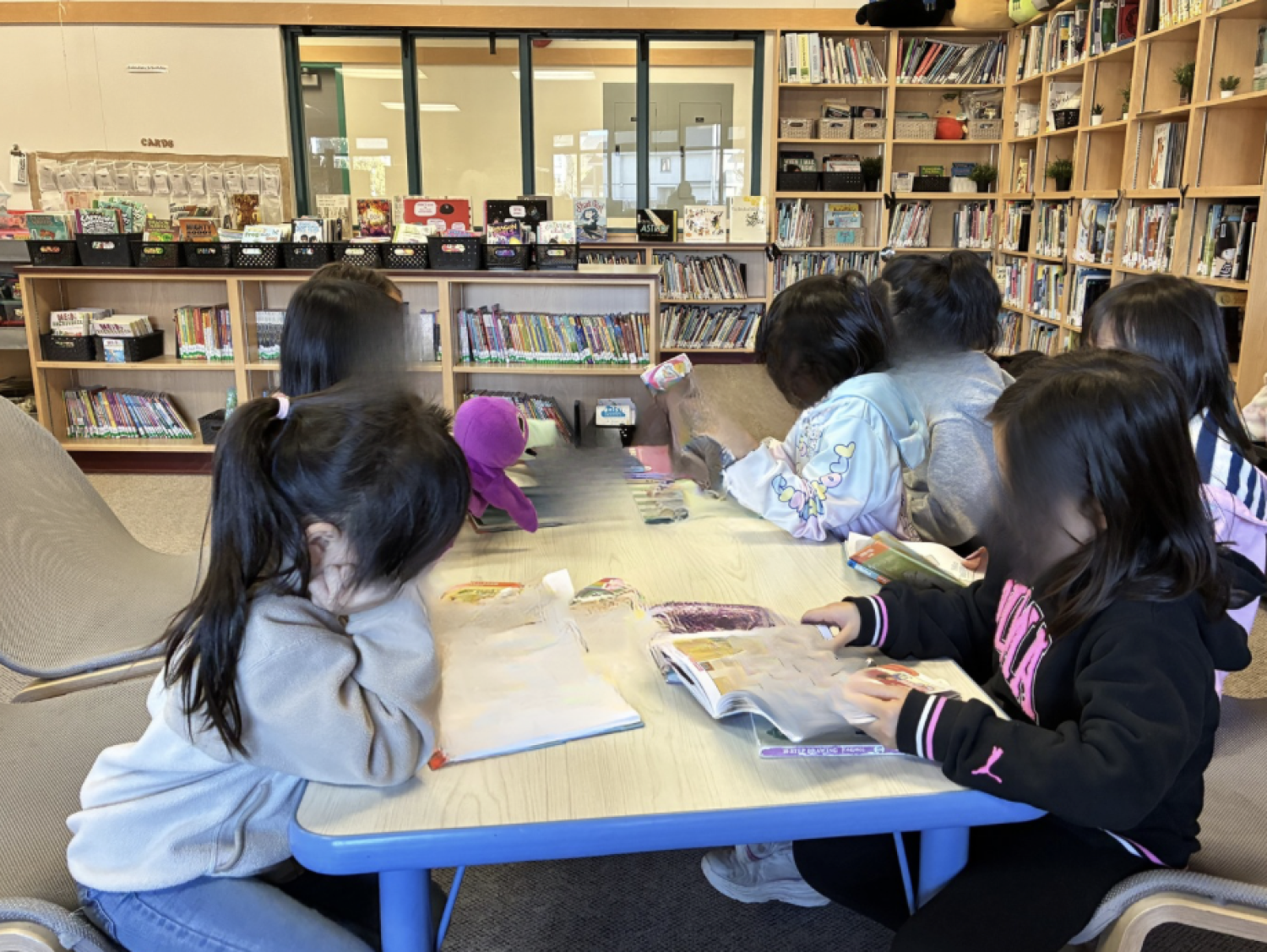
Classroom teachers in collaboration with our resource teachers and librarian have been implementing targeted, small-group reading instruction using levelled readers selected according to students' assessed reading levels and interests. Ongoing reading assessments were used to monitor progress and adjust instructional groups as needed. High-interest texts both non-fiction and fiction were intentionally chosen to promote engagement, oral language, and curiosity. Teachers incorporated frequent interactive read-alouds with an emphasis on vocabulary development and discussion, while providing multiple ways for students to demonstrate understanding, including drawing, art, and conversation when texts were challenging. Explicit spelling instruction was embedded throughout literacy instruction, with students grouped according to phonics and sound patterns to strengthen encoding skills rather than relying on traditional spelling tests.
What gap or problem were these actions intended to address? Why was this particular strategy/action chosen?
Assessment data indicated that while many students, particularly English language learners, demonstrated adequate decoding skills, they required additional support with vocabulary, oral language, reading comprehension, and encoding (spelling). Some students were also disengaged by traditional reading materials. High-interest, level-appropriate texts and structured opportunities for discussion were selected to increase engagement, build background knowledge, and strengthen oral language while supporting reading comprehension. Explicit instruction in spelling patterns was chosen to help students make stronger connections between reading and writing.
What does the evidence tell us so far?
Teachers’ observations and ongoing reading assessments indicate increased student engagement during reading instruction and greater participation in classroom discussions. Students demonstrated increased curiosity by asking questions and seeking additional information about topics introduced through reading. Oral language improved as students participated more confidently in conversations about texts. Flexible grouping allowed teachers to identify when instructional materials were too difficult and make timely adjustments through alternative response activities, such as drawing and art. While many students showed growth in vocabulary, comprehension, and engagement, encoding continues to be an area requiring ongoing support for several English language learners.
To what extent are the actions making a difference?
The evidence suggests that these instructional practices are positively impacting student learning. Students are more engaged with reading, demonstrate increased willingness to participate in discussions, and are developing stronger vocabulary and comprehension skills. Flexible instructional practices have enabled teachers to respond effectively to student needs, resulting in improved access to grade-level learning. Continued growth in spelling and encoding will require sustained, explicit instruction and ongoing monitoring.
How will we move forward accordingly?
We will continue to use ongoing reading assessments to inform flexible instructional groupings and maintain the use of high-interest, level-appropriate texts that promote discussion and curiosity. Interactive read-alouds will remain a key instructional practice to support vocabulary and oral language development. We will continue embedding explicit phonics and spelling instruction throughout literacy learning while refining supports for students who require additional assistance with encoding. Teachers will also continue adapting instructional tasks and response options to ensure all learners can successfully engage with increasingly complex texts.
Image Gallery
Image
Updated:
Monday, June 29, 2026