Creating Engaged Readers Through Targeted Classroom Practices
An action that we have taken to support our school's learning focus is:
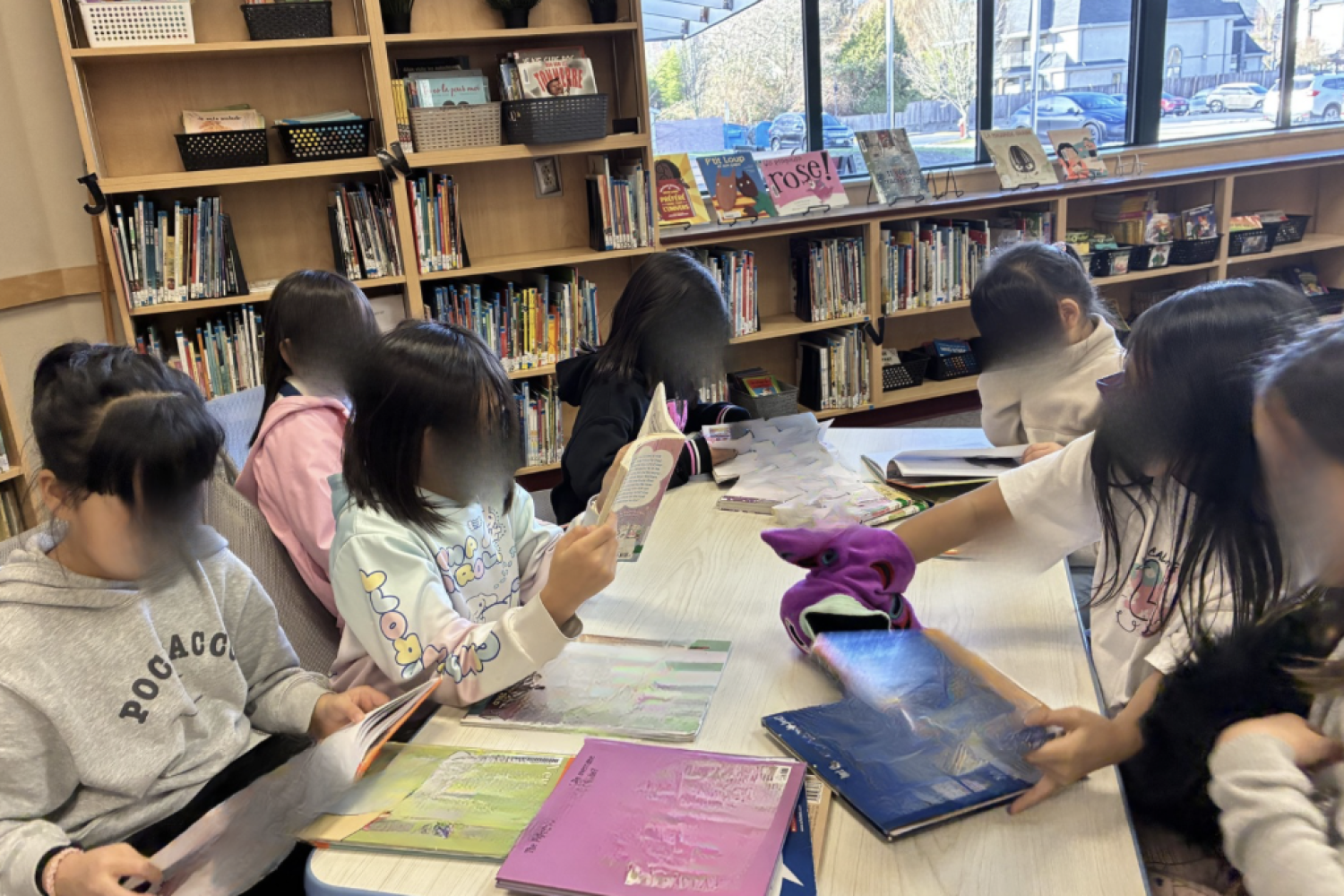
Several teachers at Anderson elementary have implemented targeted small-group reading instruction using levelled readers selected according to students' reading levels and interests. Students participated in regular reading groups in the classroom, while ongoing reading assessments helped identify appropriate instructional levels and inform groupings. Teachers also incorporated frequent interactive read-alouds that emphasized vocabulary development, oral language, and curiosity through engaging, high-interest texts. These reading groups were also explored with the support of resource teachers and in collaboration with the school librarian. In addition, explicit spelling instruction focused on phonics patterns and encoding skills, recognizing that many English language learners demonstrated stronger decoding than spelling skills.
This action supports our school's learning focus in the following ways:
These classroom teachers provided small-group reading instruction several times each week using levelled readers and high-interest texts from the school's literacy resources. Text selections were intentionally chosen to spark curiosity, encourage discussion, and expand students' background knowledge. Teachers observed students' engagement and adjusted instruction when texts proved too challenging, incorporating drawing, art activities, and oral discussion to strengthen comprehension and maintain accessibility.
Daily read-alouds provided rich opportunities to build vocabulary, model fluent reading, and support oral language development, particularly for English language learners. Students were encouraged to respond through discussion, drawing, and questioning, creating multiple entry points for understanding and engagement.
Spelling instruction was embedded throughout the week and focused on sound patterns and the connection between reading and writing rather than traditional weekly spelling tests. Students were grouped according to phonics needs, and spelling patterns introduced during instruction were revisited during read-alouds and literacy activities to reinforce encoding skills.
Evidence of the impact of these actions included improved student engagement during reading, increased oral language and classroom discussions, ongoing reading assessment data used to adjust instructional groups, student work samples such as drawings and written responses, and teacher observations demonstrating growth in vocabulary, reading comprehension, and spelling development.
Image Gallery
Image
Updated:
Monday, June 29, 2026